


Archiv
CW 12 2004
15.03. - 21.03. 2004
|
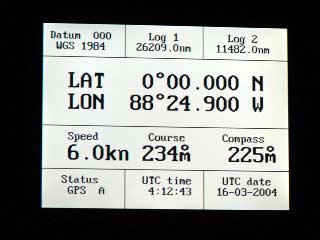
At sunrise on Monday morning we still have 180 nautical miles to go and the wind is starting to get tired. He does pull himself together during the day and manages 3-4 Beaufort, but in the evening at 8pm he finally goes to bed. So we turn on the diesels and motor cruise the last miles. But that doesn't stop Neptune from showing himself as we cross the equator at 11.16pm local time. |
 |
 |
The following day at 8.50am we make land. Around noon a small dorade
finally gets caught on the fishing line and at 2pm we arrive at the Puerto
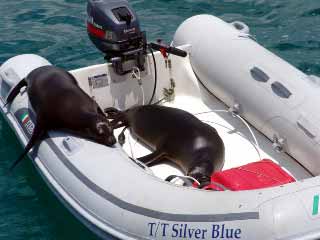
Baquerizo Moreno on San Cristobal/Galapagos. A cozy place, famous for its sea lions - and just after we got the dingy into the water they made themselves at home in it. |
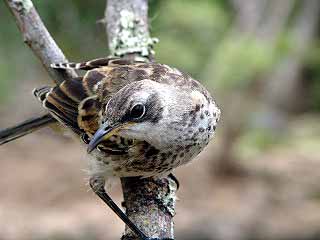
Galapagos is famous for its animals. Quite a lot of endemic species, that is species that only occur on this island archipelago, live here. Darwin himself was fascinated by the Galapagos cuckoo. |
 |
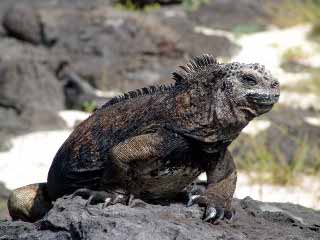 |
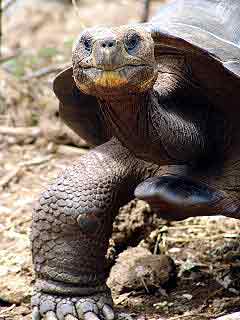
And even the iguanas who usually only live on land have here decided to visit the ocean once in a while. Therefore they developed special glands through which they excrete the saltwater. And the most famous animal, the Galapagos giant turtle is also the most endangered species. They were diminished in the past when pirates and whale catcher loaded more than 100,000 of these impressive animals onto their ships, using them as living provisions. |
|
More about these unique islands next week. See you then … take care! Tom & Nela |
 |

